
Anxiety
Anxiety makes more sense once you can see what it is trying to protect.
100% online therapy for Missouri adults living with worry, dread, overthinking, or a body that will not settle, including anxiety tied to relationships, neurodivergence, or past experiences.
Anxiety is a signal worth understanding before anyone asks you to silence it.
What it can look like
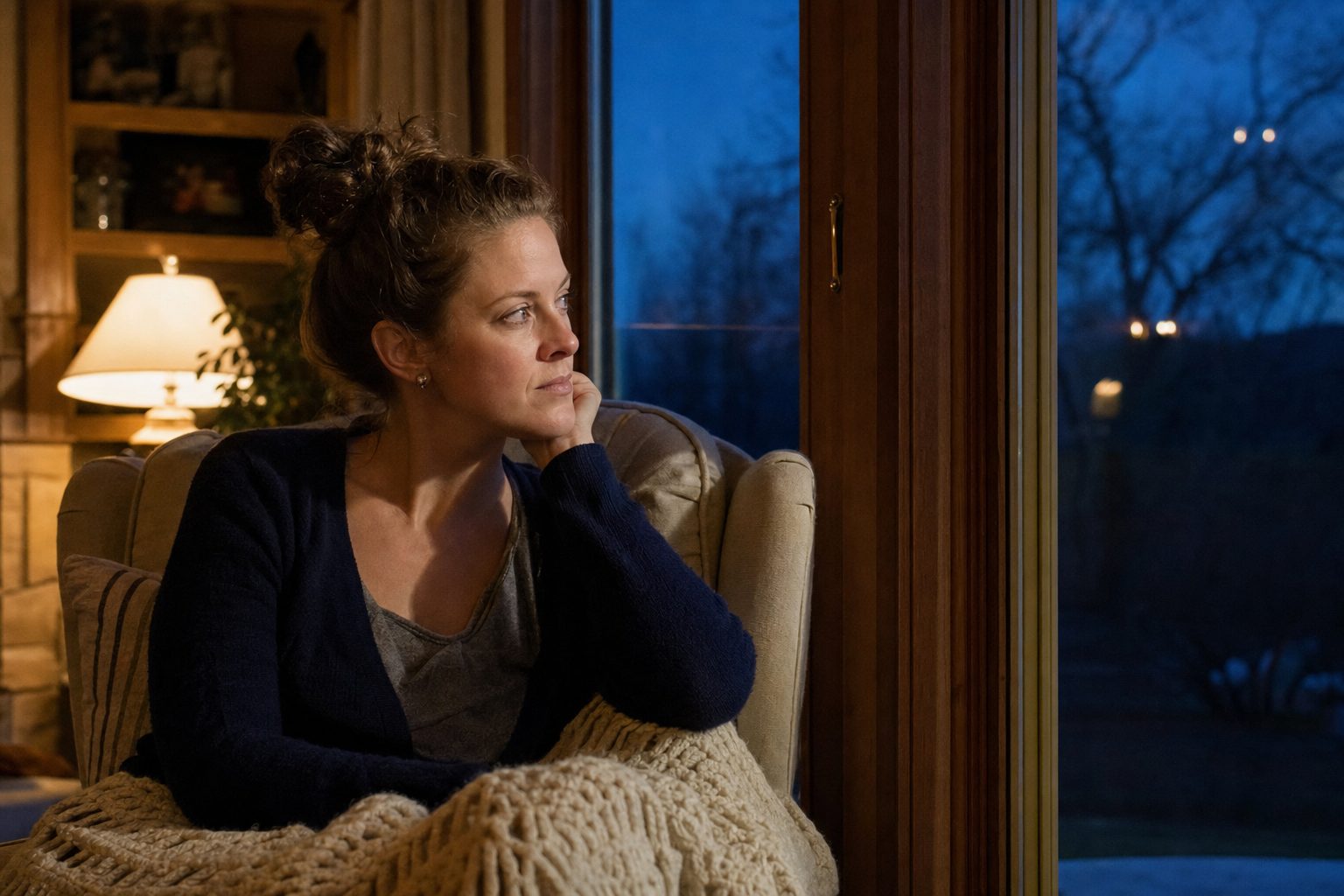
Anxiety does not always look like worry.
It can show up as racing thoughts at night, rehearsing a conversation before a phone call, checking a message five times before sending it, or staying busy so dread never has a quiet moment to arrive.
For some people it is mostly physical: a tight chest, a restless body, broken sleep, or a stomach that reacts before the mind catches up. Many adults have spent years being told to relax or think positively.
- Constant worry or overthinking
- Dread before ordinary tasks or calls
- Trouble sleeping or settling your body
- Avoiding situations that feel unpredictable
- Saying yes to prevent conflict
- Anxiety that rises in close relationships
More about this
Therapy starts with more useful questions: when does the anxiety appear, what is it responding to, and what has it been costing you?

Context matters
Your nervous system has reasons.
Anxiety often grows around something real: unpredictable demands, sensory overload, a history of criticism, a relationship that feels uncertain, or years of masking to fit expectations that were never built for you.
For neurodivergent adults, what looks like anxiety from the outside may also include exhaustion from constant self-monitoring.
More about this
Naming that context helps the plan fit the actual problem, so a worry about a real overload gets a different response than a worry built on an old prediction.

In sessions
Practical tools inside a bigger picture.
Bethany may use cognitive behavioral strategies to notice anxious predictions and test them in small steps, trauma-informed care to respect what your body learned, and psychodynamic work to understand where an old alarm first started.
Sessions are 60 minutes by secure video, so you can attend from a private place anywhere in Missouri. You set the pace.
More about this
The work aims for more room between the alarm and your response, fewer hours spent negotiating with fear, and a clearer sense of which worries deserve your attention.
Related care
Explore related support.

ADHD & AuDHD Adults
Support is built around the way your attention and energy actually move.
Learn More
Mixed-Neurotype Couples
Partners with different neurotypes get a relationship map built for both of them.
Learn More
Late-Diagnosed Adults
A later diagnosis can be explored with room for relief, grief, and practical change.
Learn MoreStart with what anxiety costs you
Talk about anxiety in a video consultation.
Describe where worry shows up most, at work, at night, or in a relationship. Bethany can explain how individual telehealth therapy might approach it at a pace you can manage.